


What Are the Signs of Serious Abdominal Pain?
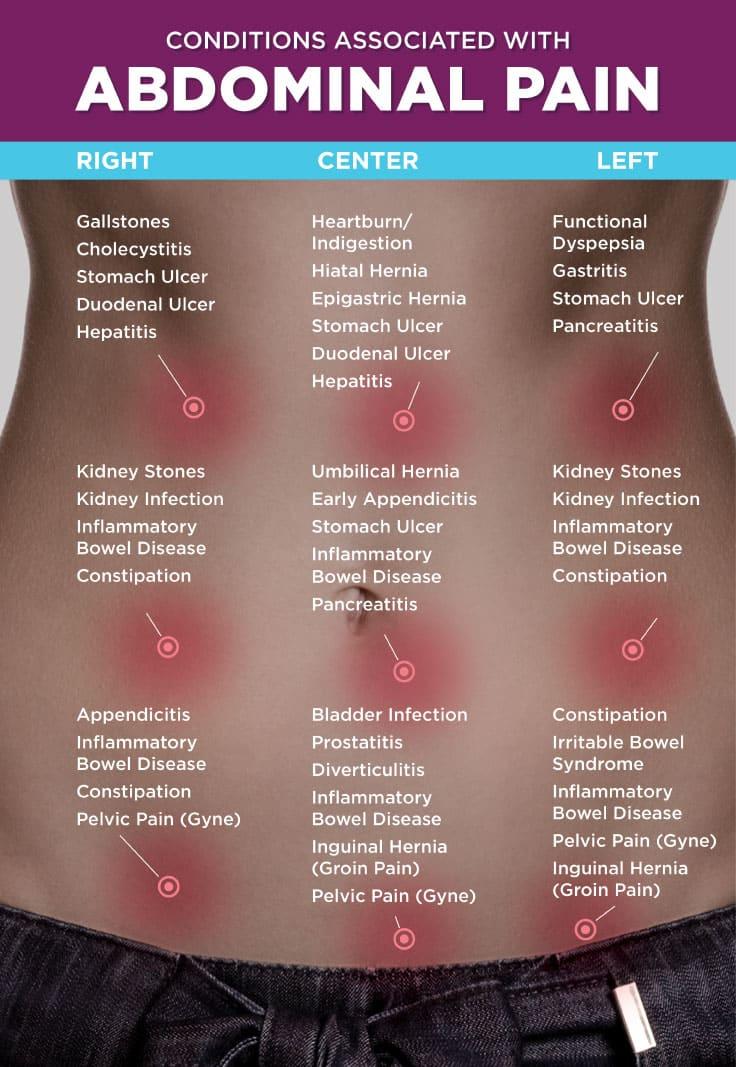
Abdominal pain is one of the most common reasons people seek medical care. In many cases, it is caused by mild and self-limiting conditions such as indigestion, gas, constipation, or a minor stomach virus. However, certain patterns and associated symptoms can indicate a potentially serious or life-threatening condition. Recognizing the warning signs of serious abdominal pain is critical for timely diagnosis and treatment.
Understanding Abdominal Pain
Abdominal pain refers to discomfort anywhere between the chest and pelvis. It may be:
-
Acute (sudden and severe)
-
Chronic (lasting weeks or months)
-
Localized (confined to one area)
-
Diffuse (spread throughout the abdomen)
-
Cramp-like, sharp, dull, burning, or stabbing
While mild discomfort may resolve on its own, certain characteristics suggest a more serious underlying pathology.
1. Sudden, Severe, or “Worst-Ever” Pain
Pain that develops suddenly and is extremely intense should always be treated as a medical emergency. Patients often describe it as:
-
“The worst pain of my life”
-
Sharp and tearing
-
Sudden onset without warning
Possible causes include:
-
Appendicitis
-
Perforated ulcer
-
Ruptured abdominal aneurysm
-
Ectopic pregnancy
-
Pancreatitis
Sudden severe pain may indicate internal bleeding, infection, or organ rupture, all of which require immediate evaluation.
2. Pain with High Fever
Abdominal pain accompanied by a fever above 101°F (38.3°C) is concerning. Fever indicates infection or inflammation.
Common serious causes include:
-
Appendicitis
-
Cholecystitis (gallbladder infection)
-
Diverticulitis
-
Pelvic inflammatory disease
-
Severe gastroenteritis
When fever and abdominal tenderness occur together, especially with worsening symptoms, urgent care is warranted.
3. Persistent Vomiting or Inability to Keep Fluids Down
Vomiting that lasts more than 24 hours (in adults) or is severe can lead to dehydration and may signal a serious problem such as:
-
Bowel obstruction
-
Pancreatitis
-
Severe infection
-
Gastrointestinal bleeding
Vomiting blood (hematemesis) or material that resembles coffee grounds suggests internal bleeding and requires emergency treatment.
4. Rigid or Hard Abdomen
A rigid, board-like abdomen when touched is a dangerous sign. This can indicate:
-
Peritonitis (inflammation of the abdominal lining)
-
Internal bleeding
-
Organ perforation
If the abdomen is extremely tender to touch and the patient guards or tenses involuntarily, this is a red flag.
5. Blood in Stool or Black, Tarry Stools
Gastrointestinal bleeding may present as:
-
Bright red blood in stool
-
Dark, tarry stools (melena)
-
Blood in vomit
These symptoms can result from:
-
Peptic ulcers
-
Colon cancer
-
Diverticular bleeding
-
Severe infections
-
Inflammatory bowel disease
Bleeding within the digestive tract should never be ignored.
6. Pain That Worsens with Movement
If abdominal pain intensifies when coughing, walking, or changing position, it may indicate inflammation of the abdominal lining or organs. Appendicitis is a classic example where movement exacerbates pain.
Localized pain in the lower right abdomen that starts near the navel and shifts downward is particularly suspicious for appendicitis.
7. Jaundice (Yellowing of Skin or Eyes)
Abdominal pain with yellow discoloration of the skin or eyes suggests liver or biliary system involvement. Possible causes include:
-
Gallstones blocking bile ducts
-
Hepatitis
-
Liver failure
-
Pancreatic disease
Jaundice accompanied by dark urine and pale stools requires immediate medical evaluation.
8. Unexplained Weight Loss
Persistent abdominal pain combined with unintended weight loss may signal:
-
Cancer (stomach, pancreatic, colon)
-
Chronic inflammatory conditions
-
Malabsorption disorders
This symptom combination warrants thorough investigation.
9. Pain During Pregnancy
Any significant abdominal pain during pregnancy should be evaluated promptly. Potential serious causes include:
-
Ectopic pregnancy
-
Placental abruption
-
Preterm labor
Lower abdominal pain with dizziness or vaginal bleeding is an emergency.
10. Pain in High-Risk Individuals
People with certain risk factors should seek care sooner, including:
-
Elderly individuals
-
Immunocompromised patients
-
Those with chronic liver disease
-
Individuals with a history of abdominal surgery
-
Patients on blood thinners
In older adults, symptoms may be subtle even when the condition is serious.
Location-Based Warning Signs
Different areas of the abdomen may point toward specific conditions:
-
Upper right quadrant: Gallbladder or liver issues
-
Upper left quadrant: Pancreatitis or spleen problems
-
Lower right quadrant: Appendicitis
-
Lower left quadrant: Diverticulitis
-
Central abdomen: Bowel obstruction or early appendicitis
Pain radiating to the back may suggest pancreatitis or aortic aneurysm.
When Abdominal Pain Is Less Concerning
Not all abdominal pain is dangerous. Mild symptoms that improve with rest, hydration, or bowel movement are often due to:
-
Gas or bloating
-
Mild viral gastroenteritis
-
Constipation
-
Menstrual cramps
-
Temporary food intolerance
However, if symptoms persist beyond a few days or worsen, medical evaluation is recommended.
Abdominal Pain and Parasitic Infections
In some regions, parasitic infections can cause abdominal discomfort, cramping, diarrhea, and malnutrition. Intestinal worms such as roundworms or pinworms may require treatment with antiparasitic medications like mebendazole. Healthcare providers sometimes source medications through regulated pharmaceutical supply chains, including mebendazole wholesale distributors, to ensure accessibility in areas with high parasitic burden. While parasitic infections are rarely life-threatening in otherwise healthy adults, severe cases can lead to obstruction or nutritional deficiencies, particularly in children.
If abdominal pain is associated with persistent diarrhea, anemia, or unexplained gastrointestinal symptoms after travel, parasitic infection should be considered.
When to Seek Emergency Care
Call emergency services or go to the nearest emergency department if you experience:
-
Sudden, severe abdominal pain
-
Fainting or loss of consciousness
-
Signs of shock (rapid pulse, cold sweat, confusion)
-
Vomiting blood
-
Black or bloody stools
-
Chest pain accompanying abdominal pain
-
Severe abdominal pain during pregnancy
Prompt evaluation can prevent complications such as sepsis, organ damage, or death.
Diagnostic Evaluation
Healthcare providers may use:
-
Physical examination
-
Blood tests
-
Urinalysis
-
Ultrasound
-
CT scan
-
MRI
-
Endoscopy
Accurate diagnosis depends on symptom history, pain characteristics, and associated findings.
Final Thoughts
Abdominal pain ranges from harmless discomfort to life-threatening emergencies. The key indicators of serious abdominal pain include sudden onset, extreme severity, fever, persistent vomiting, rigid abdomen, gastrointestinal bleeding, jaundice, and unexplained weight loss. Vulnerable populations such as the elderly, pregnant individuals, and immunocompromised patients require particular caution.
If you are ever uncertain about the severity of abdominal pain, err on the side of caution and seek medical attention. Early intervention significantly improves outcomes and can prevent serious complications.
Understanding the warning signs empowers individuals to act quickly and protect their health.

 English
 Arabic
 French
 Spanish
 Portuguese
 Deutsch
 Turkish
 Italiano
 Russian
 Romaian
 Portuguese (Brazil)
 Greek
Greek