


Texture Enhancers Define Next-Generation Ice Cream Product Lines
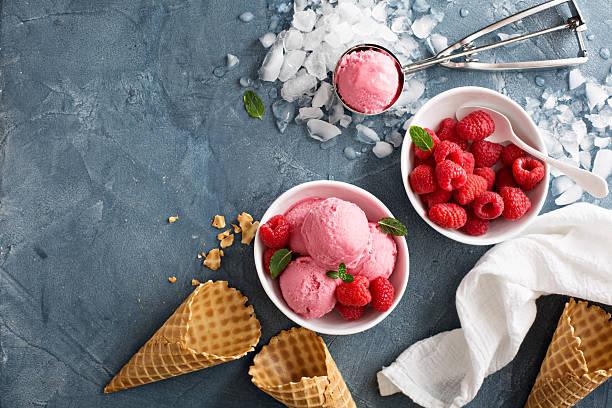
Color ingredient selection significantly influences consumer perception and purchase decisions in frozen dessert categories. Visual appeal creates initial impressions that either attract or deter potential buyers scanning crowded freezer cases. Natural colors derived from fruits, vegetables, and minerals increasingly replace synthetic alternatives as consumers scrutinize ingredient labels more carefully and demand cleaner formulations.
Beetroot powder, turmeric, spirulina, and anthocyanins from purple carrots or red cabbage provide vibrant natural color options across diverse shade ranges. However, these natural alternatives often exhibit lower stability compared to synthetic counterparts, fading when exposed to light, heat, or pH variations. Formulators must carefully select protective systems ensuring color retention throughout expected shelf life periods.
Titanium dioxide traditionally served as a whitening agent enhancing vanilla and other light-colored varieties, but regulatory scrutiny and consumer concerns have prompted many manufacturers to reformulate without this ingredient. Alternatives including rice starch and calcium carbonate provide whitening effects, though achieving equivalent color brightness often requires higher inclusion levels or formulation adjustments.
Chocolate products present unique coloring challenges as cocoa content naturally provides dark brown hues. Premium formulations emphasize high cocoa percentages delivering intense color and flavor simultaneously, while value products may incorporate color enhancers to achieve desired visual intensity at lower cocoa inclusion rates.
Artificial intelligence optimizes natural color selection by predicting stability outcomes under various storage conditions and formulation contexts. Machine learning models trained on extensive color degradation data recommend protective strategies including specific antioxidants, pH adjustments, and packaging modifications that preserve visual appeal.
Regulatory frameworks governing color usage vary globally, with some jurisdictions prohibiting certain natural colors approved elsewhere. Manufacturers targeting international markets must navigate these differences carefully, often maintaining multiple formulation versions to satisfy diverse regulatory requirements.
FAQ 1: Why are natural colors less stable than synthetic versions? Natural colors typically contain complex molecular structures more susceptible to degradation from environmental factors including light exposure, temperature fluctuations, and pH changes.
FAQ 2: How do manufacturers protect natural colors from fading? Protective strategies include antioxidant additions, pH buffering, light-blocking packaging, and refrigerated storage requirements that minimize degradation throughout distribution chains.

 English
 Arabic
 French
 Spanish
 Portuguese
 Turkish
 Dutch
Dutch
 Italiano
 Russian
 Romaian
 Portuguese (Brazil)
 Greek
Greek