


What Are the Best Ways to Manage Pneumonia?
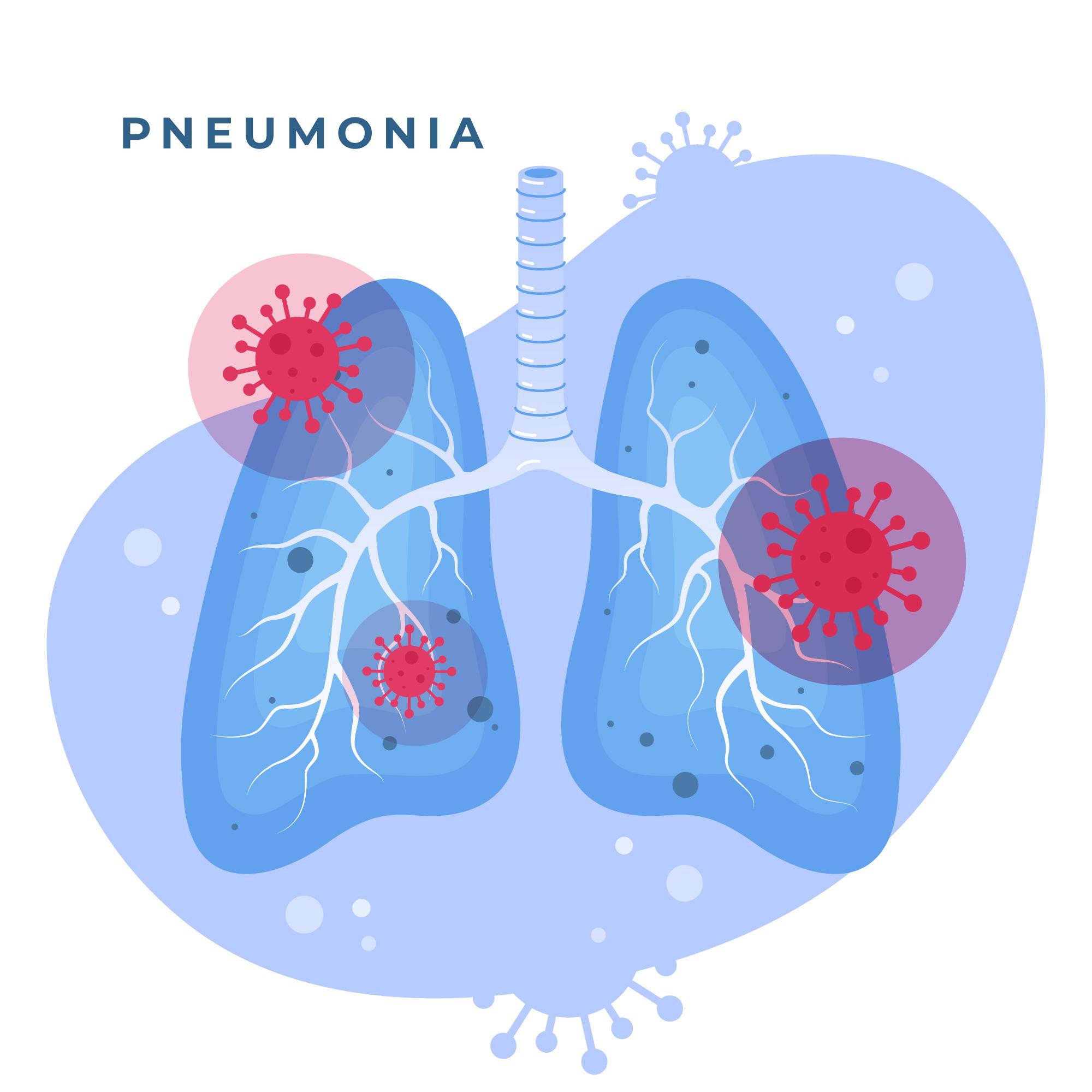
Pneumonia is a serious respiratory infection characterized by inflammation of the air sacs in one or both lungs, which may fill with fluid or pus. It can be caused by bacteria, viruses, fungi, or, less commonly, parasites. Effective management of pneumonia depends on early diagnosis, accurate identification of the causative organism, appropriate medical treatment, and supportive care. Because pneumonia ranges from mild to life-threatening, especially in vulnerable populations, a structured and evidence-based approach is essential.
Understanding the Type and Severity of Pneumonia
The first step in managing pneumonia is determining its type and severity. Pneumonia is commonly classified as community-acquired pneumonia (CAP), hospital-acquired pneumonia (HAP), ventilator-associated pneumonia (VAP), or aspiration pneumonia. Each category has different likely pathogens and treatment considerations.
Severity assessment tools, such as CURB-65 or the Pneumonia Severity Index (PSI), are often used by clinicians to decide whether a patient can be treated at home or requires hospitalization. Factors such as age, respiratory rate, oxygen saturation, blood pressure, mental status, and existing comorbidities significantly influence management decisions.
Early and Accurate Diagnosis
Prompt diagnosis improves outcomes. Diagnosis typically involves a combination of clinical evaluation and diagnostic testing. Common diagnostic tools include:
-
Chest imaging, particularly chest X-rays
-
Blood tests to evaluate infection markers
-
Sputum cultures to identify bacterial pathogens
-
Pulse oximetry to assess oxygen levels
-
In some cases, CT scans or bronchoscopy
Identifying whether pneumonia is bacterial, viral, or fungal is critical, as treatment strategies differ significantly.
Antibiotic Therapy for Bacterial Pneumonia
For bacterial pneumonia, antibiotic therapy remains the cornerstone of treatment. The choice of antibiotic depends on the likely pathogen, patient risk factors, local resistance patterns, and whether the infection is community- or hospital-acquired.
In moderate to severe cases requiring hospitalization, broad-spectrum antibiotics are often initiated empirically and later adjusted based on culture results. Third-generation cephalosporins are commonly used in hospital settings due to their broad coverage and established safety profile. From a healthcare supply perspective, discussions around ceftriaxone injection wholesale frequently arise among hospitals, distributors, and procurement teams, as ceftriaxone is widely used in inpatient pneumonia management protocols.
It is important to emphasize that antibiotic selection, route of administration, and duration of therapy must always be determined by qualified healthcare professionals. Inappropriate antibiotic use contributes to antimicrobial resistance and poorer patient outcomes.
Management of Viral and Fungal Pneumonia
Not all pneumonia cases require antibiotics. Viral pneumonia, often caused by influenza viruses, respiratory syncytial virus (RSV), or SARS-CoV-2, is primarily managed with supportive care. In specific cases, antiviral medications may be prescribed.
Fungal pneumonia, which is more common in immunocompromised individuals, requires targeted antifungal therapy. Accurate identification of the pathogen is particularly important in these cases, as fungal infections can worsen if treated incorrectly.
Supportive Care and Symptom Management
Supportive care is a critical component of pneumonia management regardless of the cause. Key elements include:
-
Oxygen therapy: To maintain adequate oxygen saturation
-
Hydration: To prevent dehydration and help loosen respiratory secretions
-
Fever and pain control: Using antipyretics and analgesics as appropriate
-
Rest: Allowing the body to recover and conserve energy
In hospitalized patients, respiratory support may range from supplemental oxygen to noninvasive ventilation or mechanical ventilation in severe cases.
Monitoring and Follow-Up
Ongoing monitoring ensures that treatment is effective and complications are promptly identified. Clinicians typically monitor:
-
Vital signs and oxygen levels
-
Clinical symptoms such as cough, breathlessness, and fever
-
Laboratory markers of infection
-
Radiographic improvement when indicated
After discharge, follow-up care is important, particularly for older adults and patients with chronic conditions. Persistent symptoms may require further evaluation to rule out complications such as pleural effusion, lung abscess, or underlying malignancy.
Managing Pneumonia in High-Risk Populations
Certain populations are at higher risk for severe pneumonia and complications. These include:
-
Older adults
-
Infants and young children
-
Individuals with chronic lung disease, heart disease, or diabetes
-
Immunocompromised patients
Management in these groups often requires closer monitoring, a lower threshold for hospitalization, and coordination among multiple healthcare providers.
Prevention as a Key Management Strategy
Preventing pneumonia is as important as treating it. Effective preventive strategies include:
-
Vaccination: Pneumococcal, influenza, and COVID-19 vaccines significantly reduce pneumonia risk
-
Smoking cessation: Smoking damages lung defenses and increases susceptibility
-
Hand hygiene and infection control: Especially in healthcare and long-term care settings
-
Management of chronic illnesses: Optimizing control of underlying conditions
Healthcare systems also focus on preventive measures such as vaccination programs and infection-control protocols to reduce pneumonia incidence and associated healthcare costs.
The Role of Healthcare Systems and Supply Chains
Effective pneumonia management is not limited to clinical care. Reliable access to essential medications, diagnostic tools, and medical supplies plays a crucial role. Hospital pharmacies and procurement departments must ensure consistent availability of commonly used treatments, which is why supply considerations, including ceftriaxone injection wholesale sourcing, are part of broader healthcare infrastructure planning rather than patient-level decision-making.
Conclusion
Managing pneumonia effectively requires a multifaceted approach that includes early diagnosis, appropriate antimicrobial or antiviral therapy, comprehensive supportive care, and careful monitoring. Treatment strategies must be tailored to the type and severity of pneumonia as well as individual patient factors. Equally important are prevention efforts and robust healthcare systems that support timely access to essential treatments.
When managed properly, most patients recover fully from pneumonia. However, delays in treatment, inappropriate therapy, or lack of follow-up can lead to serious complications. For this reason, pneumonia should always be taken seriously and managed under the guidance of qualified healthcare professionals using established clinical protocols and best practices.

 English
 Arabic
 French
 Portuguese
 Deutsch
 Turkish
 Dutch
Dutch
 Italiano
 Russian
 Romaian
 Portuguese (Brazil)
 Greek
Greek