


Instant Grocery Industry Evolves Toward Hybrid Retail Models And Profit Focus
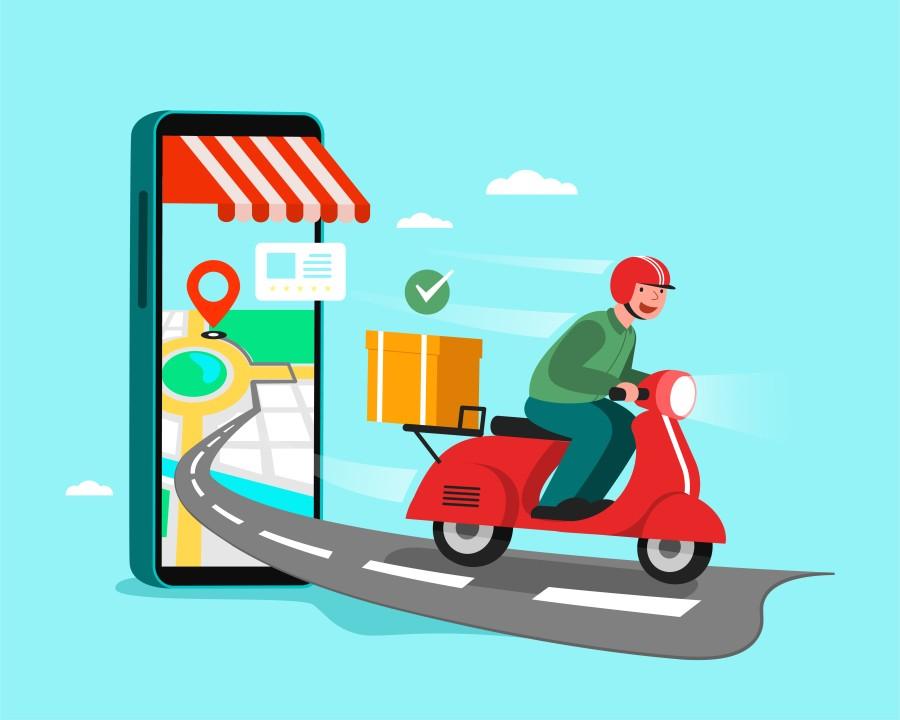
The Instant Grocery Industry is evolving as operators shift from rapid expansion to disciplined operations and profitability. The industry emerged from consumer demand for immediate convenience, promising grocery delivery in minutes. It now faces the reality of high last-mile costs, labor intensity, and perishable inventory risk. Industry players include instant grocery specialists, food delivery platforms expanding into groceries, and traditional retailers building rapid fulfillment capabilities. The most successful models are typically urban and density-driven, where short travel distances and frequent orders improve unit economics. The industry also benefits from behavioral change: consumers increasingly treat delivery as a default option for small replenishment purchases rather than a special event. However, growth depends on reliability—accurate orders, on-time delivery, and consistent product quality. Providers that fail on basics lose trust quickly. As a result, the industry is investing in forecasting, inventory management, and better fulfillment layouts to improve availability and reduce waste.
Fulfillment strategy is central to industry evolution. Dark stores provide optimized picking environments and speed, but require capital and high volume to break even. Store-based picking leverages existing retail footprints but can be slower and less predictable. Hybrid models that route orders dynamically are increasingly common. The industry is also investing in micro-fulfillment automation to reduce labor cost and increase throughput. Courier networks are another critical component, with bikes and scooters common in dense cities. Workforce structure is under scrutiny as regulations around gig labor evolve, potentially raising costs and reshaping service models. The industry responds through better scheduling, route optimization, and sometimes more structured employment models. Technology is a key differentiator: platforms must maintain real-time inventory accuracy, manage substitutions, and optimize dispatch. Data-driven assortment planning is essential because instant grocery typically offers fewer SKUs; carrying the right items determines conversion and repeat usage. As the industry matures, it increasingly resembles a logistics and inventory business more than a marketing-led app business.
Partnerships and consolidation are defining the industry’s next phase. Traditional grocers partner with instant delivery providers to add speed without building everything themselves. Conversely, some delivery platforms partner with retailers for sourcing and brand credibility. These alliances can improve economics through better supply terms and shared infrastructure. Consolidation is likely because scale improves marketing efficiency, courier density, and supplier leverage. The industry also expands beyond groceries into convenience categories—pharmacy, household, personal care—to increase basket size and frequency. Membership programs and subscriptions are common retention tools, but they must be managed carefully to avoid margin erosion. The industry’s reputation depends on product quality, particularly for perishables. Cold chain management and accurate picking are therefore operational priorities. Customer service and refund handling are also important because mistakes feel amplified when delivery fees are paid. Over time, industry competition will focus less on headline delivery times and more on consistent experience and value.
The future instant grocery industry will likely settle into hybrid omnichannel ecosystems. Consumers will use instant delivery for urgent needs and traditional grocery channels for planned stock-ups. Retailers may use stores as fulfillment nodes and deploy micro-fulfillment centers in high-demand areas. Technology will continue improving forecasting, routing, and inventory accuracy, while automation may reduce labor costs. Pricing strategies will diversify, offering multiple delivery speeds and membership tiers. Sustainability considerations may also influence operations, including packaging reduction and optimized routing to reduce emissions. The long-term winners will be those who balance convenience with profitability: dense coverage, high in-stock rates, low waste, and efficient last-mile delivery. For the industry, success is increasingly about operational discipline and local density rather than global expansion. As consumer expectations for convenience remain high, instant grocery will persist as a channel, but it will be defined by sustainable execution and integration with broader retail supply chains rather than standalone disruption narratives.
Top Trending Reports:

 Arabic
 French
 Spanish
 Portuguese
 Deutsch
 Turkish
 Dutch
Dutch
 Italiano
 Russian
 Romaian
 Portuguese (Brazil)
 Greek
Greek