


How To Develop a Quality Control Plan For Construction?
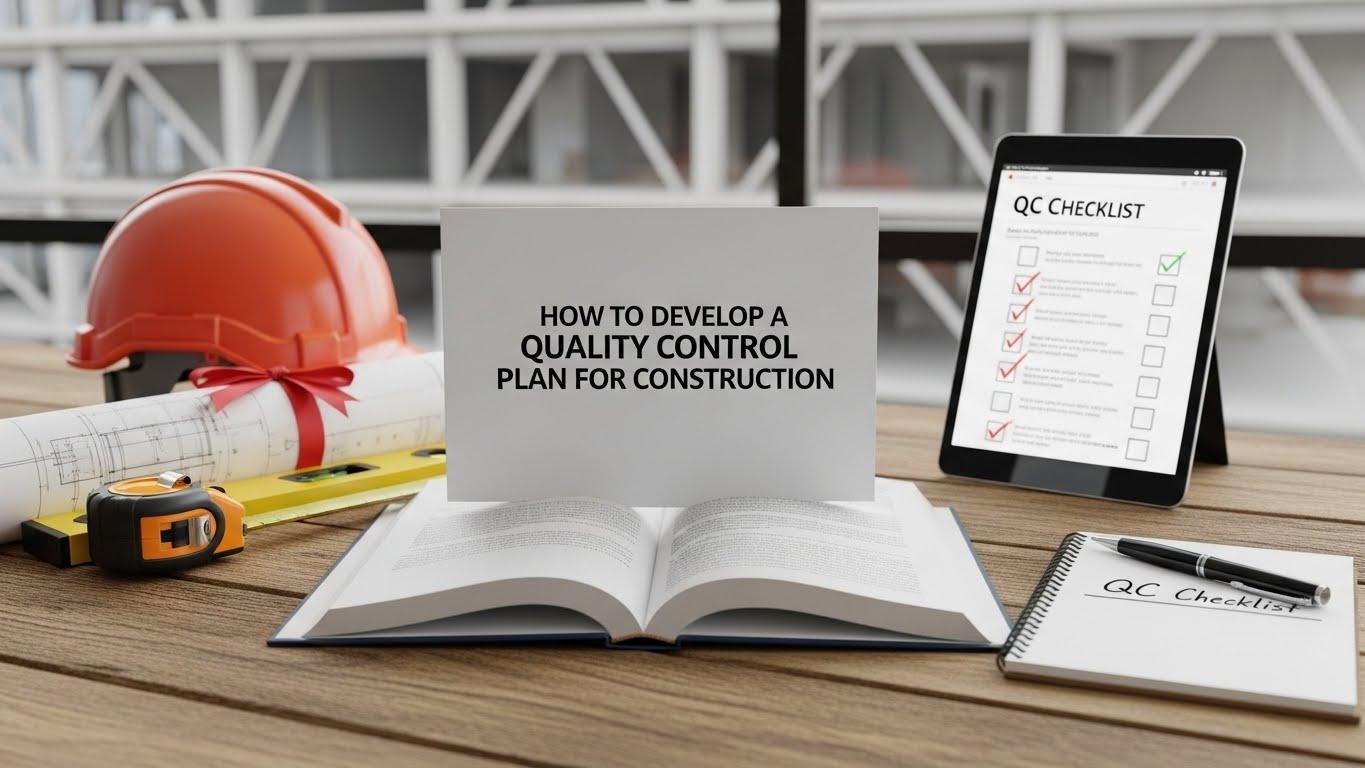
Quality control in construction is significant for every project. Without proper quality control, projects may face delays, increased costs, and safety problems. A quality control plan helps construction teams ensure that each part of the project meets the required standards. A strong plan enables project managers to effectively monitor work, identify errors early, and maintain high performance throughout the construction process.
In developing a quality control plan, the first step is accurate planning. Estimating services play a key role at this stage because they allow the project team to forecast material needs, costs, and timelines correctly. By using precise estimating services, construction teams reduce the chances of mistakes in budgeting and scheduling. Accurate estimates also help teams prepare for unexpected issues, ensuring that the project stays on track. Estimating services provide detailed information about the quantity and quality of materials, labor requirements, and equipment needs. This information becomes the foundation of a strong quality control plan because it sets clear standards and expectations for the project.
Identify the project's requirements
As part of a quality-control plan, the first step is to clearly define project requirements. This means understanding local regulations, safety laws, and client needs. Every project is unique and must be described in full detail. In a well-designed quality control program, all of these needs are listed so that everyone on the project team is aware exactly which standards must be met. If this step is not taken, the construction may not pass inspections or have a low-quality outcome. Contractors and workers can also understand the goals and objectives of the project with clear requirements.
Establish Quality Standards
Setting quality standards is the next step. As benchmarks, quality standards allow teams to monitor performance and find deviations. These standards cover the construction method, materials used, inspection schedules, workmanship level, and quality standards. It is important to set these standards as early as possible in a project so that everyone involved knows exactly what's expected. Documentation on quality standards needs to be accurate and simple. When project requirements alter during construction, standards must be updated.
Assign Responsibilities

Effective quality control is possible only with clearly delineated responsibilities. Each member must understand their responsibility in maintaining quality. By way of example, the project manager oversees all aspects, the engineer monitors technical compliance, while inspectors are responsible for different phases. Affirming accountability through responsibilities reduces mistakes and increases transparency. Communication is also improved among the team because all members know what their responsibilities are and how to contribute to the success of the project.
Develop inspection procedures
Inspecting is an essential part of any Quality Control Plan. It is important to develop proper inspection processes in order to detect problems early on before they can affect the project. Inspecting material upon delivery, examining construction methods, and testing finished work are part of the inspection process. Regular inspections reduce delays and the need for costly rework. A quality control plan is a comprehensive schedule that specifies the inspections to be performed and which elements need to undergo verification. To ensure future references, it is important to record all inspection results.
Use Proper Documentation
Documentation plays a vital role in the construction quality plan. The accuracy of every inspection, decision, and correction is vital. Included in the documentation are checklists, reports, photographs, and certificates. It is vital to have proper documentation in order to track progress, prove compliance, resolve disputes, and keep track of the project. It allows managers to examine past work histories and make well-informed decisions regarding future projects. By using standard templates, the documentation process is simplified, and uniformity across projects is maintained.
Train your staff
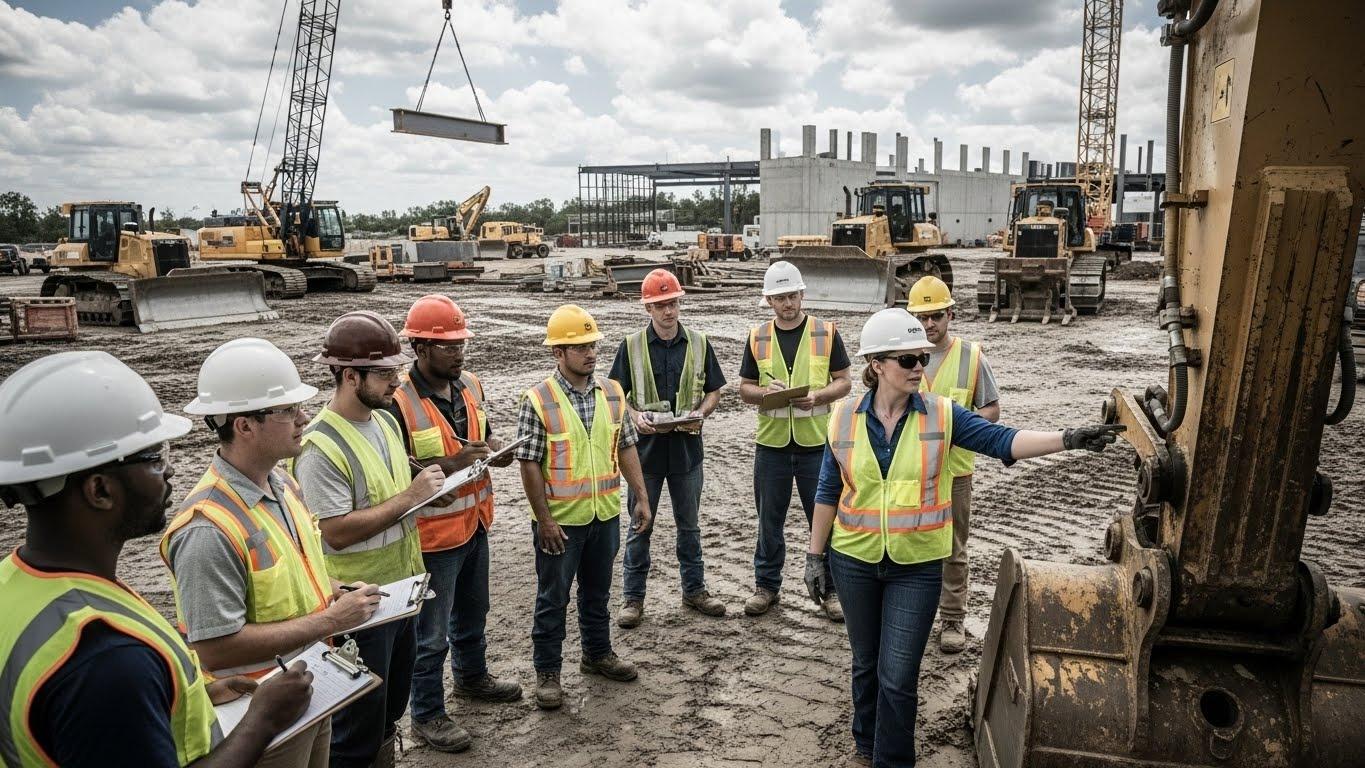
A plan is incomplete without training employees on the quality standards. Even highly skilled employees can make mistakes, which may affect project quality. In addition to safety, training programs must also cover quality, inspection procedures, inspection techniques, and how best to use materials. Continual education ensures workers are up-to-date with the latest regulations and technologies. This training encourages collaboration and helps to reduce errors.
Review performance
It is essential to review and monitor performance to ensure high quality. Regular performance reviews can help you identify construction weaknesses. Inspections, audits, or feedback from teams can all be used to enhance processes. Checking for compliance with budgets and timelines is also part of monitoring. In reviewing performance, team members can identify and correct any mistakes. An effective monitoring system creates a culture that promotes quality and accountability at the construction site.
Corrective Actions
It is impossible to complete a project without making mistakes. Quality control plans must contain corrective actions in case of deviations. Identification of the problem is the first step in corrective actions. Next, the solution will be found by identifying its root cause. It is important to document these corrective measures so that they do not occur again in future parts of a project. The efficiency of a clear process for correcting errors increases, and the chances that poor work will affect the whole project are reduced. To prevent delays and maintain project progress, teams must prioritize resolving issues promptly.
Continuous Improvement
An effective quality control program does not end when a project is completed. For the future, there is a need to improve continuously. Learning from lessons learned during inspections or audits can improve training and planning. To keep up with changes in technology and knowledge, construction teams need to update their quality-control plans on a regular basis. Each project will achieve higher quality standards while also reducing risks through continuous improvement.
Utilize Technology

Construction quality control in the modern era is heavily influenced by technology. Digital tools such as software and apps are used to manage and track project data. The use of technology allows managers to easily communicate with team members, track compliance remotely, reduce errors, and quickly share information. Utilizing technology can increase accuracy, efficiency, as well as transparency. Integration of digital solutions with a plan for quality assurance strengthens project management.
Risk Management
A close relationship exists between quality control and the management of risks. By identifying risks in advance, teams can take measures to avoid them. There are many risks associated with construction. These include weather delays, material shortages or errors, as well as safety hazards. Quality control plans must contain a risk strategy that explains how to find, stop, and solve problems. The proper management of risk reduces the chances that major issues will affect the project. It also helps maintain the high standard.
Communicating with the Client and Reporting
In order to maintain high standards, it is important that you communicate effectively. Project managers are responsible for ensuring that clients and other stakeholders get regular updates regarding the project. Reporting may include sharing inspection results, outlining issues, and discussing corrective actions. The benefits of good communication include improved coordination, reduced misunderstandings, and strengthened accountability. Reporting needs to be organized, simple, and clear.
Final Verdict
Implementing quality control plans has a number of benefits. Projects are delivered on time and on budget while meeting standards. Errors, waste, and rework are reduced. Clear instructions and responsibility help workers perform more effectively. The clients will be satisfied with the high quality of your work. You'll also gain an excellent reputation. It is safer, since quality standards require proper procedures to avoid accidents. The quality control plan is a good way to ensure that a project will be completed on time and with high standards.
FAQs
What does quality control mean in the construction industry?
Quality control plans are detailed documents that define standards, procedures, and responsibilities. They ensure construction projects meet the required levels of quality. It can help prevent errors and maintain safety while ensuring client satisfaction.
How often are inspections recommended?
At all stages of construction work (including material delivery, ongoing works, and the completion of a project), inspections should take place. Regular inspections reduce construction delays by detecting problems sooner.
What is documentation's role in quality control, and how does it work?
Documentation is a record of all the activities and actions associated with a project. It provides accountability, allows a review of work, and provides evidence of compliance with quality standards.

 English
 Arabic
 French
 Portuguese
 Deutsch
 Turkish
 Dutch
Dutch
 Italiano
 Russian
 Romaian
 Portuguese (Brazil)
 Greek
Greek