


Data Encryption Protects Sensitive Information Across Cloud Devices And Networks Today
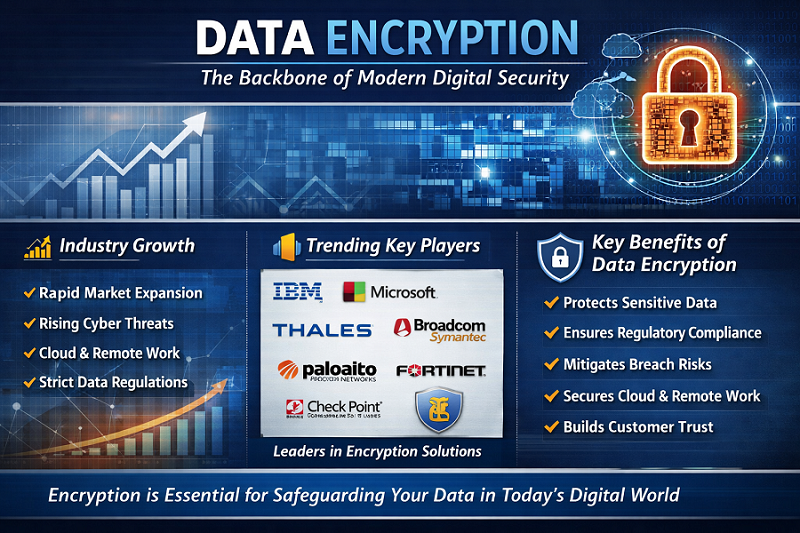
Modern Data Encryption is a foundational security control that protects information by converting it into unreadable ciphertext without the proper keys. As organizations store more sensitive data in cloud services, SaaS platforms, and distributed endpoints, encryption reduces the impact of theft, loss, and unauthorized access. Encryption supports confidentiality for data at rest, in transit, and increasingly in use, depending on architecture. It is essential for protecting customer records, payment data, intellectual property, and regulated information such as health or financial data. Encryption also helps meet compliance requirements and reduces breach notification risk in some jurisdictions when data is unreadable to attackers. However, encryption is only as strong as its key management. Poor key storage, weak rotation practices, or broad access to keys can undermine protection. Therefore, effective encryption programs include governance, access controls, monitoring, and incident response. When designed well, encryption becomes an always-on layer of defense that supports trust in digital operations.
Encryption is applied across multiple layers. Transport encryption, such as TLS, protects data moving between users, applications, and services. Storage encryption protects databases, file systems, and object stores, often using envelope encryption where data keys are protected by master keys. Application-layer encryption can protect specific fields like SSNs or credit card numbers, limiting exposure even if databases are compromised. Full-disk encryption protects laptops and mobile devices, reducing risk from lost hardware. Email encryption and document encryption protect communication and collaboration content. In cloud environments, encryption is often enabled by default, but organizations must still manage keys, access policies, and audit logs. Hardware security modules provide strong key protection for high-risk environments. Tokenization is sometimes used for payment and regulated data, replacing sensitive values with tokens while keeping mapping in secure vaults. Data classification helps determine what must be encrypted and where. Without classification, encryption can be inconsistent and leave critical data unprotected.
Key management is central to encryption effectiveness. Organizations must define who can create, use, rotate, and revoke keys. Centralized key management services and HSMs reduce risk by limiting key exposure and providing audit trails. Key rotation and lifecycle management reduce the impact of compromised keys. Access policies should enforce least privilege, with strong authentication and approvals for sensitive key operations. Logging and monitoring are essential to detect unusual key usage patterns. Backup encryption must be handled carefully so recovery is possible without weakening security. Encryption also impacts operations: key loss can cause permanent data loss, and poorly designed encryption can slow performance. Therefore, programs must balance security with usability and reliability. For example, field-level encryption improves confidentiality but can complicate search and analytics. Organizations must plan how encrypted data will be queried and processed, using approaches like searchable encryption, tokenization, or secure enclaves when necessary.
Looking ahead, data encryption will continue expanding as threats and regulations increase. Confidential computing and encryption-in-use approaches may grow, helping protect data during processing in cloud environments. Post-quantum cryptography planning will become more relevant as organizations prepare for future cryptographic risks. Automation will improve encryption coverage through policy-as-code and default secure configurations. Enterprises will also demand better visibility: which data is encrypted, where keys are stored, and who accessed them. As ransomware and data theft continue, encryption remains a key control that reduces breach impact and supports compliance. The strongest programs will integrate encryption with identity, data governance, and monitoring so protection is consistent and auditable. Encryption is not a single feature; it is a system that must be managed continuously to remain effective and trustworthy.
Other Exclusive Reports:

 English
 Arabic
 French
 Spanish
 Portuguese
 Deutsch
 Turkish
 Dutch
Dutch
 Italiano
 Russian
 Romaian
 Portuguese (Brazil)