


What Foods Should You Avoid During Diarrhea?
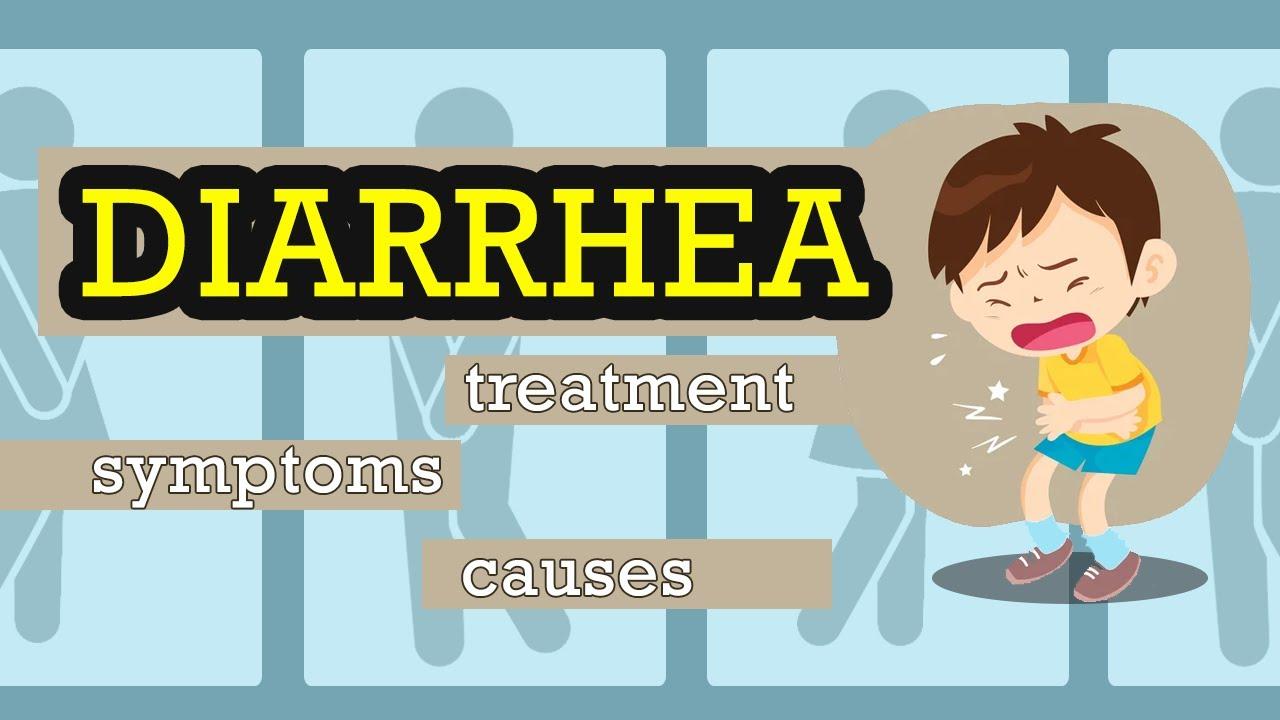
Diarrhea is a common gastrointestinal condition characterized by frequent, loose, or watery stools. It may be triggered by infections, food intolerances, medications, stress, or underlying digestive disorders. While hydration and appropriate medical care are critical, dietary choices play an equally important role in recovery. Consuming the wrong foods during an episode of diarrhea can aggravate symptoms, prolong discomfort, and delay intestinal healing. This article outlines the key categories of foods and beverages to avoid during diarrhea and explains why dietary restraint is essential for effective symptom management.
1. Dairy Products
Dairy products are among the most common dietary triggers to avoid during diarrhea. Milk, cheese, butter, ice cream, and yogurt contain lactose, a sugar that requires the enzyme lactase for digestion. During diarrhea, especially when caused by infections, the intestinal lining may be temporarily damaged, leading to reduced lactase activity.
As a result, lactose malabsorption can occur, worsening bloating, gas, abdominal cramps, and stool frequency. Even individuals who are not normally lactose intolerant may experience difficulty digesting dairy during acute gastrointestinal distress. For this reason, it is advisable to eliminate dairy products until bowel movements normalize.
2. Fried and Fatty Foods
High-fat foods are difficult to digest under normal conditions and become particularly problematic during diarrhea. Fried foods, fast food, fatty cuts of meat, sausages, bacon, creamy sauces, and gravies can overstimulate the digestive tract.
Fat slows gastric emptying and increases intestinal motility, which can exacerbate loose stools. Additionally, excess fat may not be fully absorbed when the intestines are inflamed, further contributing to greasy, watery stools. Avoiding fatty foods reduces digestive workload and helps stabilize bowel movements.
3. Spicy Foods
Spicy foods containing chili, hot peppers, black pepper, curry, or strong seasonings can irritate the gastrointestinal lining. Capsaicin, the compound responsible for heat in spicy foods, stimulates intestinal nerves and may increase bowel contractions.
During diarrhea, the intestinal mucosa is already sensitive. Spicy foods can intensify abdominal pain, burning sensations, and urgency. For symptom control, bland and mildly seasoned foods are strongly preferred until recovery is complete.
4. High-Fiber Foods (Insoluble Fiber)
While fiber is generally beneficial for digestive health, certain types of fiber should be avoided during diarrhea. Insoluble fiber, found in whole grains, bran, raw vegetables, nuts, seeds, and fruit skins, increases stool bulk and accelerates intestinal transit.
This effect can worsen diarrhea by increasing stool volume and frequency. Foods such as whole wheat bread, brown rice, popcorn, cabbage, broccoli, and leafy greens should be temporarily avoided. Once symptoms improve, fiber can be gradually reintroduced.
5. Sugary Foods and Artificial Sweeteners
Foods and beverages high in sugar can draw water into the intestines through osmotic effects, worsening diarrhea. This includes candies, pastries, cakes, sweetened cereals, syrups, and desserts.
Artificial sweeteners such as sorbitol, mannitol, and xylitol commonly found in sugar-free gum, candies, and diet products are particularly problematic. These compounds are poorly absorbed and can cause or intensify diarrhea. Avoiding both natural and artificial sweeteners helps reduce intestinal fluid loss.
6. Caffeinated Beverages
Caffeine is a known gastrointestinal stimulant. Coffee, energy drinks, cola, and strong tea can increase intestinal motility and promote fluid secretion into the bowel.
During diarrhea, this stimulant effect may lead to more frequent and urgent bowel movements. Caffeine can also contribute to dehydration, which is a significant risk during prolonged diarrhea. It is advisable to avoid all caffeinated beverages until normal digestion resumes.
7. Alcohol
Alcohol irritates the stomach and intestines and interferes with fluid absorption. It can also disrupt the balance of gut bacteria and increase intestinal inflammation.
Consuming alcohol during diarrhea can worsen dehydration, prolong symptoms, and delay mucosal healing. All forms of alcohol, including beer, wine, and spirits, should be avoided until full recovery.
8. Gas-Producing Foods
Certain foods increase gas production due to fermentation in the intestines. Beans, lentils, chickpeas, onions, garlic, cauliflower, cabbage, and carbonated beverages fall into this category.
Gas buildup can cause bloating, cramping, and discomfort, which are often intensified during diarrhea. Limiting gas-producing foods helps reduce abdominal pressure and pain during acute episodes.
9. Raw Fruits and Vegetables
Raw produce can be difficult to digest during diarrhea due to its fiber content and natural sugars. Fruits such as apples, pears, peaches, and plums contain fructose and sorbitol, which may worsen diarrhea.
Raw vegetables may also carry bacteria or irritants that further upset the digestive system. If fruits and vegetables are consumed, they should be peeled, well-cooked, and eaten in small portions.
10. Certain Protein Sources
Although protein is important for recovery, some sources are better avoided during diarrhea. Fatty meats, processed meats, and heavily seasoned or smoked products are harder to digest and may irritate the gut.
Lean, plainly cooked proteins are preferable once symptoms begin to improve. Until then, heavy or processed protein sources should be restricted.
Medical Context and Treatment Considerations
In some cases, diarrhea is caused by bacterial infections that require medical evaluation and treatment. Antibiotics such as ceftriaxone may be prescribed in severe or systemic infections under professional supervision. In pharmaceutical supply chains, entities such as a ceftriaxone injection wholesaler play a critical role in ensuring hospitals and clinics have access to essential injectable antibiotics. However, medication alone is not sufficient; dietary management remains a cornerstone of supportive care during gastrointestinal illness.
Conclusion
Managing diarrhea effectively requires careful attention to diet. Avoiding dairy products, fatty and fried foods, spicy dishes, high-sugar items, caffeine, alcohol, insoluble fiber, gas-producing foods, and raw produce can significantly reduce symptom severity and duration. These dietary restrictions help minimize intestinal irritation, control stool frequency, and support faster recovery.
Once diarrhea resolves, foods should be gradually reintroduced, starting with easily digestible options. If symptoms persist, worsen, or are accompanied by fever, blood in stool, or signs of dehydration, professional medical evaluation is essential. Thoughtful dietary choices, combined with hydration and appropriate medical care, form the foundation of safe and effective diarrhea management.
 Russian
 English
 Arabic
 French
 Spanish
 Portuguese
 Deutsch
 Turkish
 Dutch
Dutch
 Italiano
 Romaian
 Portuguese (Brazil)
 Greek
Greek