


How to Become a Home Inspector?
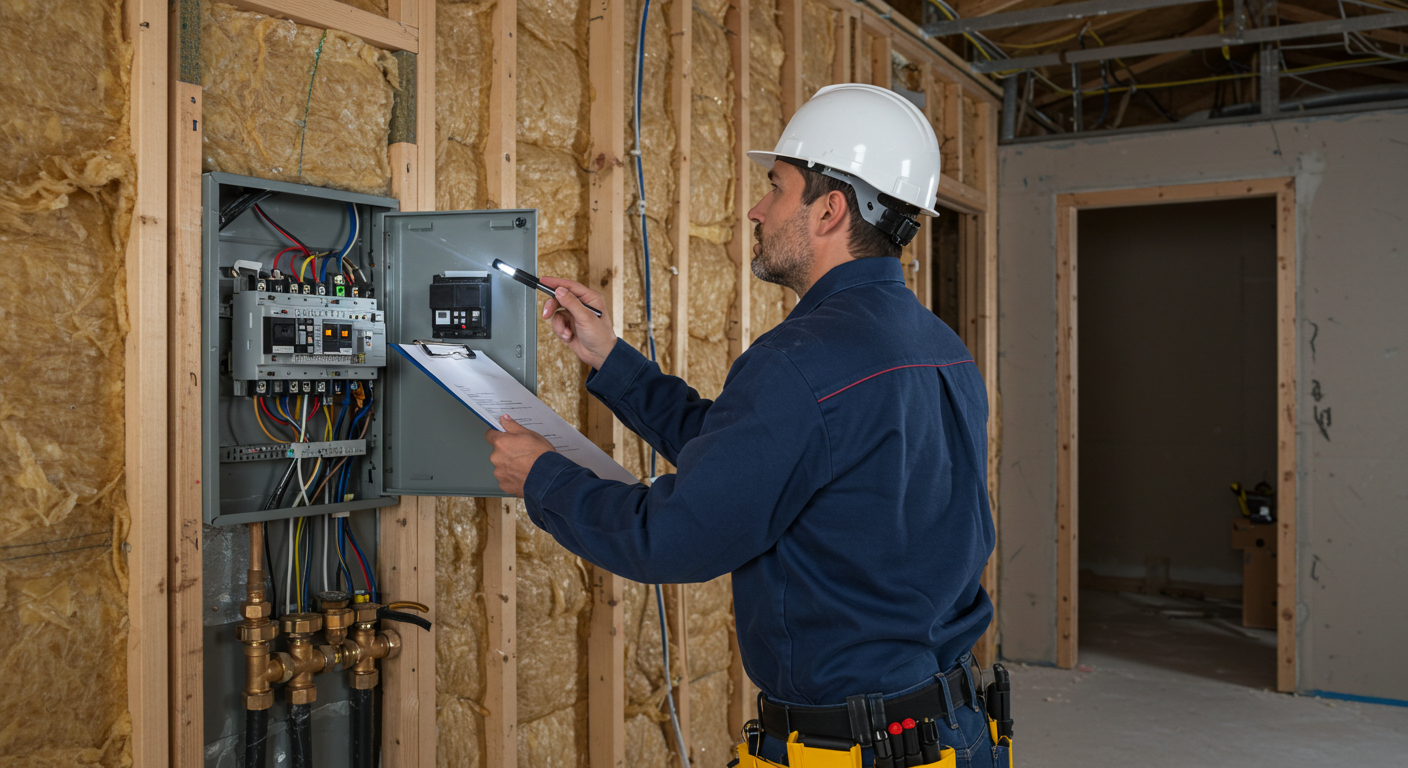
A home inspector is a rewarding profession for individuals interested in construction, real estate, and assisting people to make well-informed choices regarding their home. Home inspectors evaluate the state of residential buildings, detect possible problems, and offer the clients detailed reports. Their profession is essential to home buyers, sellers, and real estate practitioners since they provide transparency in one of the largest financial dealings in life. The process of becoming a home inspector is a process that involves education, training, licensing (in most states), and a dedication to continuous professional growth.
1. Role of a Home Inspector
The task of a home inspector is to carefully assess residential properties and keep records of the detected defects or safety concerns. Inspections often include:
-
Structural elements of the building, such as foundations, walls, and roofs.
-
Electrical, plumbing, and HVAC (heating, ventilation, and air conditioning).
-
Inside aspects such as floors, ceilings, and insulation.
-
Outside conditions, such as siding, driveways, and drainage.
Inspectors do not make any repairs, but make an unbiased evaluation that assists customers in making a decision on taking a step in buying or getting repairs. In this position, there needs to be some combination of technical expertise, attentiveness, and great communication abilities.
2. Research State Requirements
The United States has different requirements concerning licensing and certification of home inspectors depending on the state. There are states where the profession is regulated by licensing boards, and there are states where the inspection is performed by certification or training of professional associations.
For example:
-
North Carolina, Texas, and Florida require a certain education, exams, and controlled inspections.
-
California and Colorado do not mandate state licensing, but industry certifications enhance credibility.
You should also make sure to examine the licensing agency in your state (like the Department of Professional Regulation or Real Estate Commission) to find out the specifics of the requirements.
3. Complete the Necessary Education
In the majority of states, potential home inspectors are required to attend formal training programs. Structured education is what gives the knowledge and skills required to be successful, even in states where there are no strict requirements.
The training programs of a home inspector usually include:
-
Basic construction (framing, roofing, plumbing, and electrical systems).
-
The standards and procedures of home inspection.
-
Ability to write reports and communicate.
-
Fire and building codes.
Courses may be offered at community colleges, vocational schools, or accredited online providers. This foundation is similar to the technical grounding needed in fields such as cost estimating services, where accuracy and attention to detail are vital for success.
4. Gain Hands-On Experience
One of the most important aspects of home inspector development is practical experience. There are states where a license is granted only after some inspection, supervised by a licensed inspector. Although this may not be a requirement, shadowing professionals at work will assist you in putting your theoretical knowledge into practice.
Hands-on experience teaches:
-
The use of inspection tools.
-
The identification of concealed problems, such as water damage or electrical risks.
-
The ability to explain results to clients.
The industry can also be done well through volunteering with local contractors or inspection companies.
5. Obtain Certification or Licensing

The next thing to do after obtaining the education and training required is to get your certification or license. The majority of states require an exam that is recognized, like the National Home Inspector Examination (NHIE).
Professional organizations such as:
-
American Society of Home Inspectors (ASHI).
-
Nachi International Association of Certified Home Inspectors.
They provide certification that proves credibility, even in states where no licensing is required.
Such certifications involve the passing of examinations, continuous education, and ethical practices. By gaining them, your professional reputation and credibility are strengthened.
6. Invest in Tools and Equipment
Home inspectors use special equipment to examine the status of the property. Essential tools include:
-
Flashlights and ladders.
-
Leak detectors in the form of moisture meters.
-
Voltage detectors and electrical testers.
-
IR cameras to detect insulation holes and concealed problems.
-
Professional inspection report creation and reporting software.
Having quality tools is also a way of enhancing efficiency and making sure that the inspections are valid and professional.
7. Start Your Business or Join a Firm
Upon certification and equipment acquisition, you may either work with an existing home inspection company or can even begin your own business.
Working for a Firm:
-
Gives reliable earnings and guidance.
-
Does not require a lot of marketing.
-
Perfect to start with on an ideal basis.
Starting Your Own Business:
-
Provides freedom and increased capacity to earn.
-
Needs registration, insurance, and marketing in business.
-
Entails the establishment of a web of real estate agents, contractors, and satisfied customers.
In most cases, entrepreneurial inspectors are free to work at their own schedule and charge, although there are also business ownership responsibilities.
8. Carry Insurance
Insurance is the only way to take care of yourself and your business. In the majority of states, inspectors are to be insured with errors and omissions (E&O) insurance that covers the claims in case of an error in the course of inspection and made by the client.
General liability insurance would also be advisable in case of accidents or damages that may occur during an inspection. Such protection establishes trust in clients and is professional.
9. Develop Strong Communication and Reporting Skills

To be a successful home inspector, one has to have technical knowledge. Effective communication is also significant. Clients also depend on the inspectors to simplify intricate matters in a manner that can be comprehended easily.
Effective inspectors:
-
Create reports in detail but concisely with photos and recommendations.
-
Deliver findings in a truthful manner that will not create unwarranted panic.
-
Develop trust by being professional, timely, and transparent.
Good communication skills can result in repeat business and referrals from the content customers.
10. Commit to Continuing Education
The construction and housing business is an ever-changing field where new materials and technologies are presented together with new safety codes. Home inspectors need to seek continuing education in order to stay competitive.
To be recognized as a certified professional, continuing education is a mandatory requirement in professional groups, such as ASHI and InterNACHI. Workshops, seminars, and online courses will keep you on top of things and provide you with quality inspections, which are accurate and up to date.
11. Build Your Network and Reputation
It is not uncommon that success in being a home inspector relies on the relationships in the real estate industry. The collaboration with real estate agents, mortgage lenders, and contractors will also be helpful to create referrals and a stable business.
It is not an easy task to create a reputation, but professionalism, in-depth inspections, and catering to the customer will guarantee success in the long run. Satisfied customers refer friends, relatives, and workmates to inspectors, thus inspiring growth via word of mouth.
Conclusion
The balance between education, hands-on training, licensing, and business development is needed to be a home inspector. Although state requirements differ, the basics are alike: acquire the proper knowledge, develop experience, and apply to the profession. Home inspection is a potentially rewarding profession involving both technical skills and helping people live better, at a decision they have to make concerning one of their biggest investments.
FAQs
How long does it take to become a home inspector?
The schedule will be different based on the state requirements and training program. Coursework, exam, and hands-on experience also take an average of 3 to 6 months to achieve.
Do I need a college degree to become a home inspector?
No, college education is not necessary. The most common states just need a high school diploma, or GED, as well as the completion of an approved training program in home inspections, and passing the licensing examination.
How much do home inspectors earn?
According to industry reports, home inspectors in the U.S. earn an average of $50,000 to $70,000 annually, with experienced inspectors and business owners earning more.

 English
 Arabic
 French
 Portuguese
 Deutsch
 Turkish
 Dutch
Dutch
 Italiano
 Russian
 Romaian
 Portuguese (Brazil)
 Greek
Greek